


Dunn-Edwards® 2019 Color of the Year: Spice of Life (DET439)
09/30/2018 | davidcamacho |
Dunn-Edwards 2019 Color of the Year, Spice of Life, is inspired by a celebration of what makes life interesting and exciting. It’s warm, inviting, adventurous and life-affirming. This strong, enticing, spice-market blend adds a complex, flavorful seasoning to design palettes. The elements of orange in the hue give a grounded, substantial feeling to design.
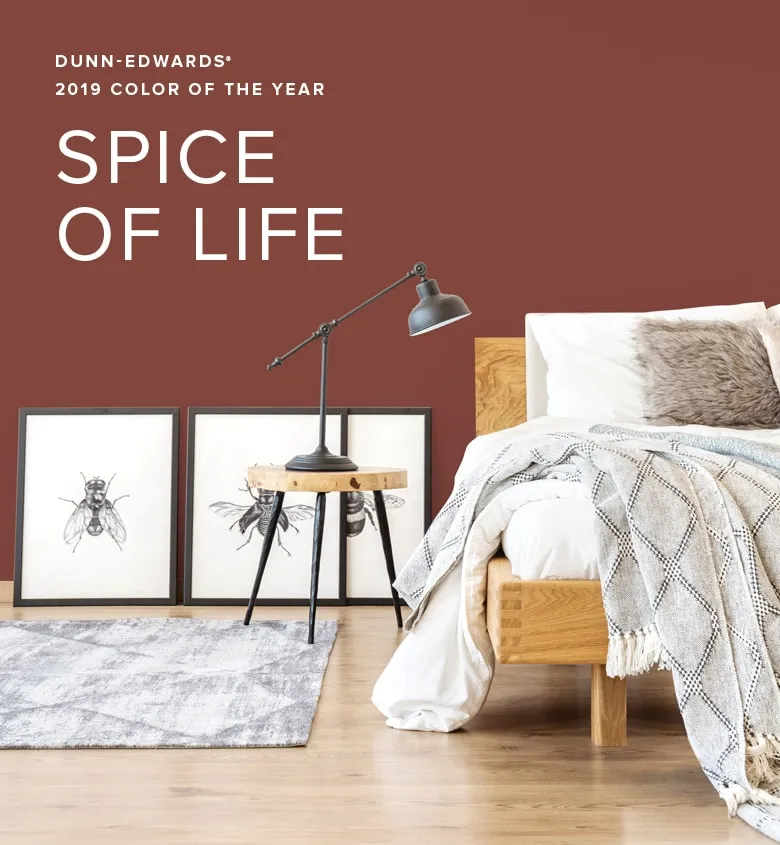
In 2019, as the information age reaches its peak, our lives are inundated with technology, constant communication and more self-inflicted stress. In these always-connected times, we start to crave real, genuine
connections with the Earth and with each other.

Design by Samantha Williams Interior Design Photo Credit: Bethany Nauert Photography
These feelings are reflected in the movement away from cooler hues toward more earth-inspired color, reminiscent of naturalist motifs; bohemian moods; the great American West; and an anticipation of exploring the red planet, Mars.
We are encouraged by the richness and diversity of Mediterranean culture and authenticity. We want to surround ourselves with a mixture of craft, design, heritage ornamentation and modernity. We long for the
simplicity of basics with an extra dose of soul. We love folklore stories, journeys back in time and exotic influences.
About Spice of Life
The term “Spice of Life” comes from William Cowper's poem, “The Task” (1785): “Variety is the very spice of life, that gives it all its flavour.” Spice of Life is an outgoing, confident hue that adds drama and stimulates the senses. It makes a bold statement and reflects exotic tastes in design and life, with a melding of diverse and global cultural influences.

Design by Jason Lai, L2 Interiors. Photo Credit: Bethany Nauert Photography
Nature as Inspiration
As the world continues to change daily, we seek solace and respite in and gain strength from nature.
Nature-inspired, autumnal and life-confirming hues such as Spice of Life are strong and authentic, organic and full of humanity, exuding a warm and welcome touch. And, as champions of Earth, we seek to guard our surroundings — and earth-drawn hues such as Spice of Life connect us and reinforce our commitment to Mother Nature.
A Well-Traveled Life is a Well-Lived Life
Spice of Life is a globally and culturally shaped hue. With a continued trend in the increase of travel for inspiration, health and wellness, and volunteerism, a wealth of global cultural influences is brought
back from these travels — along with a love of diverse palettes and profound sense of self-expression. Deep, warm and inviting hues such as Spice of Life highlight these adventures and a strength in the freedom to explore one’s unique design vision.

Design by Jason Lai, L2 Interiors. Photo Credit: Bethany Nauert Photography
Looking Back
From a folklore aesthetic that’s renewed a revival of interest in the American naturalist painters of the 19th and 20th centuries — such as Andrew Wyeth, Georgia O’Keeffe and Edward Hopper, whose use of color, realism and craft show American folk heritage — Spice of Life is a rich, exotic hue that symbolizes nostalgic journeys back in time.
The Hue
Spice of Life, a global, rich spicy hue that is represented in our “Sojourn” 2019 color trends story, highlights a palette that celebrates layers of cultures and eras that blend harmoniously, combining modesty and the
grandiose.
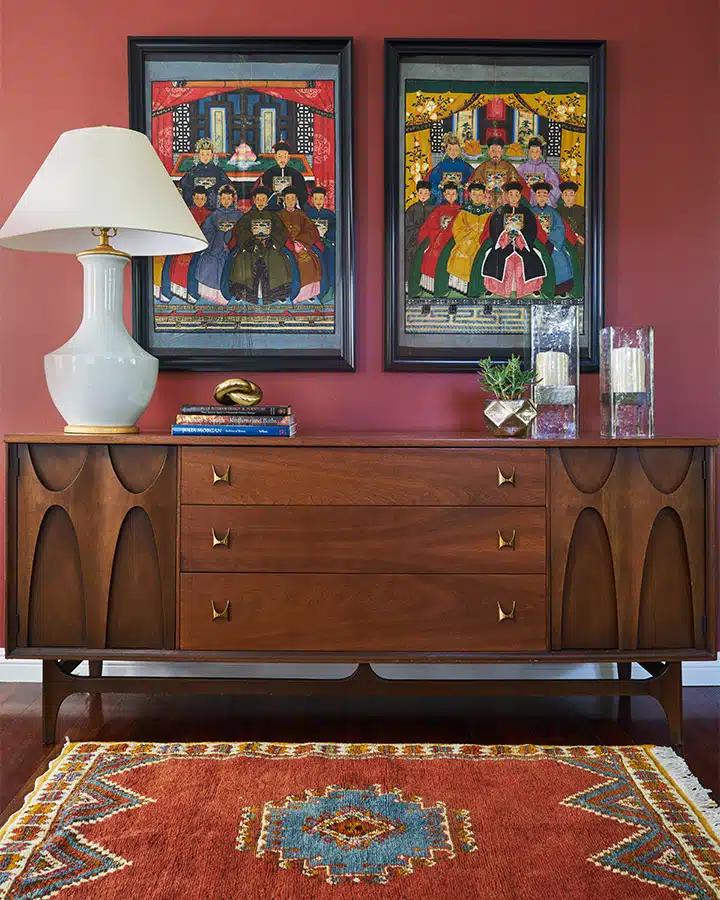
Design by Samantha Williams Interior Design. Photo Credit: Bethany Nauert Photography
This strong, full-bodied and intense hue, full of passion and life, can look organic and natural or appear
moody and sophisticated. In its organic and natural world, Spice of Life represents a colorful expression inspired by global crafts. When playing subdued and stylish, this lush, refined hue is eternal — historic, yet youthful.

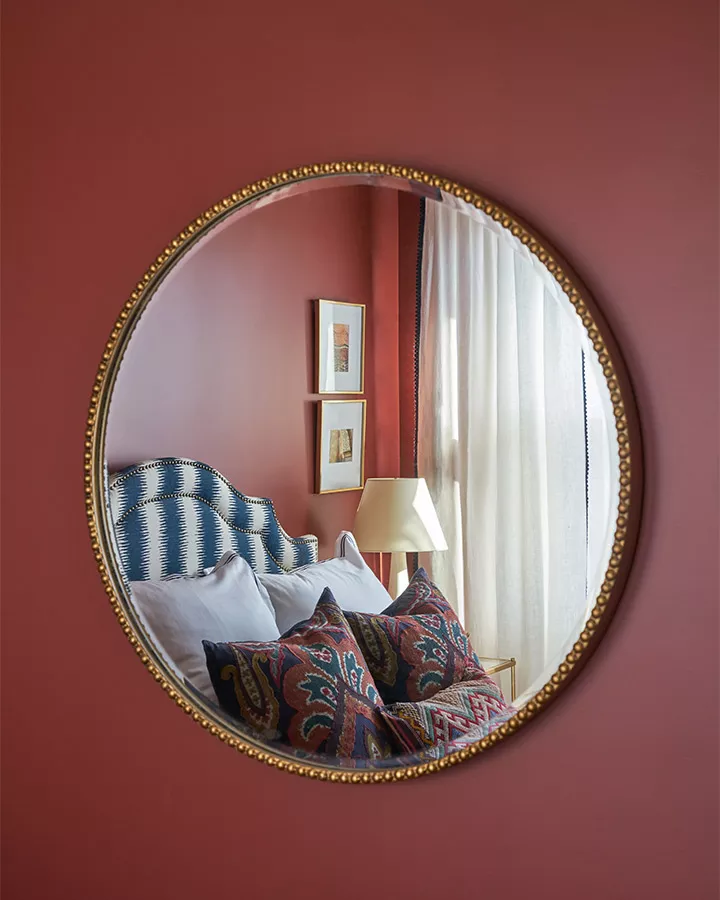
Design by Samantha Williams Interior Design. Photo Credit: Bethany Nauert Photography
Spice of Life is a celebration of what makes life interesting and exciting. This warm, inviting, adventurous and life-affirming hue urges us to explore, to reflect, to live!
Frequently Asked Questions About Spice of Life (DET439)
Q: What undertones does Spice of Life have?
A: Spice of Life (DET439) features orange undertones that give it a grounded, substantial feeling. These warm undertones distinguish it from cooler terracotta shades and create a more inviting, life-affirming atmosphere in interior spaces.
Q: Can Spice of Life work in modern minimalist interiors?
A: Yes, Spice of Life can work in modern minimalist spaces when used strategically. Apply it as a single accent wall or through carefully selected furniture and accessories to add warmth without compromising clean, minimal aesthetics.
Q: What colors complement Spice of Life best?
A: Spice of Life pairs well with warm whites, creamy beiges, soft grays, and natural wood tones. For more dramatic palettes, it works alongside deep navy, forest green, or charcoal gray. Metallic accents in brass or copper enhance its warm, exotic character.
Q: Is Spice of Life suitable for exterior applications?
A: While Dunn-Edwards' 2019 Color of the Year announcement focused on interior applications, Spice of Life can be used on exterior surfaces, particularly as an accent color on front doors, shutters, or architectural details. Consult with Dunn-Edwards professionals about appropriate exterior paint formulations.
Q: How does lighting affect Spice of Life's appearance?
A: Natural lighting significantly impacts how Spice of Life appears. In bright, direct sunlight, the color's orange undertones become more prominent and vibrant. In softer, indirect light or evening settings, Spice of Life appears moodier and more sophisticated, with deeper, earthier qualities emerging.




What undertones does Spice of Life have?
Spice of Life (DET439) features orange undertones that give it a grounded, substantial feeling. These warm undertones distinguish it from cooler terracotta shades and create a more inviting, life-affirming atmosphere in interior spaces.
Can Spice of Life work in modern minimalist interiors?
Yes, Spice of Life can work in modern minimalist spaces when used strategically. Apply it as a single accent wall or through carefully selected furniture and accessories to add warmth without compromising clean, minimal aesthetics.