





Color by Room
Choosing the right paint color starts with understanding your space. Dunn-Edwards makes it easy to compare room paint colors by space, whether you’re refreshing a single room or updating your entire home. Browse curated palettes, see how colors perform in real-life lighting, and find shades that fit your style. Choose a room below to view recommended colors, coordinating palettes, and finish suggestions — so you can decide with confidence.
Living Room
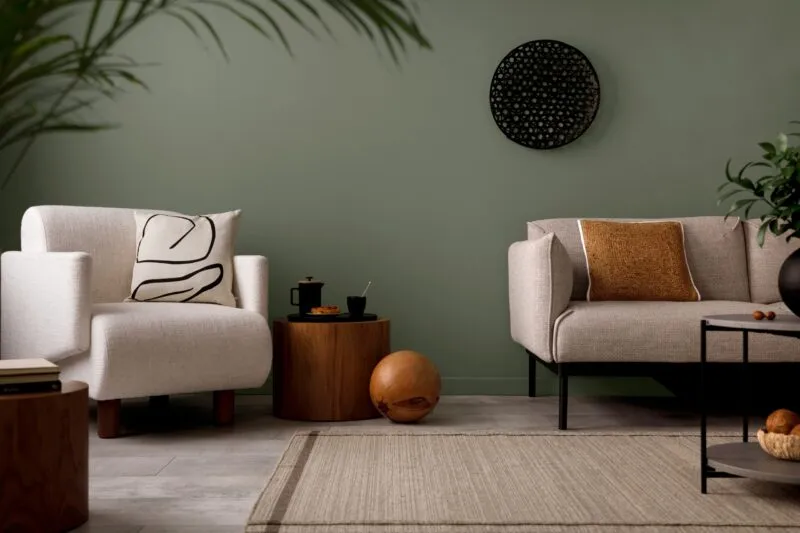
Create a living room that feels welcoming and easy to live in by identifying the predominant undertone of your fixed surfaces, such as the flooring. For example, floors with warm beige or honey undertones pair well with warm neutral wall colors to create a cohesive foundation.
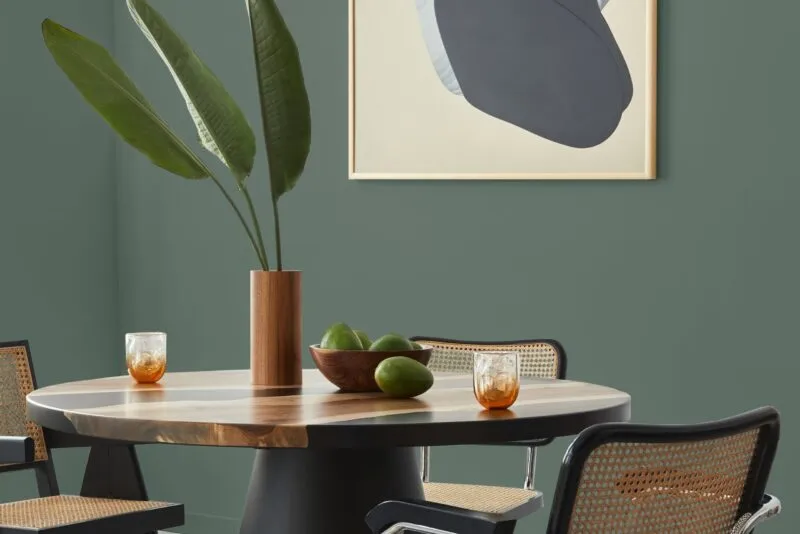
Dining Room
Set the tone for meals and gatherings with colors that look polished and inviting. Rich shades can add warmth, while soft neutrals keep the space bright. If you have statement lighting, wood tones, or metal finishes, select a color that works with them so everything looks pulled together.

Kitchen
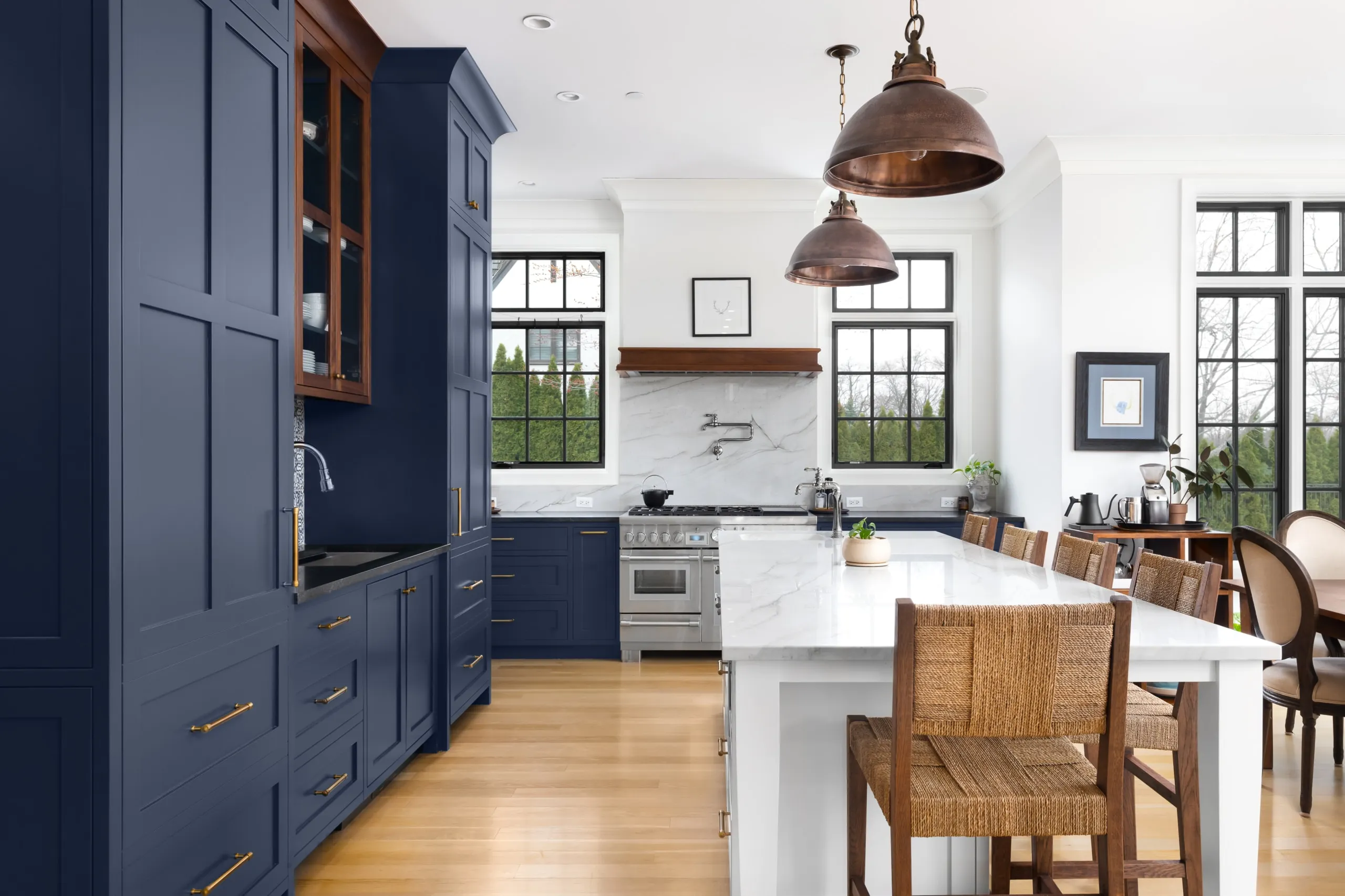
Kitchens can support a wide range of design styles, from crisp and bright to warm and cozy. Compare whites, neutrals, and deeper tones that stay clean-looking in a busy space. Take cues from, like counters, tile, and cabinet color, then choose colors that bring it all together.
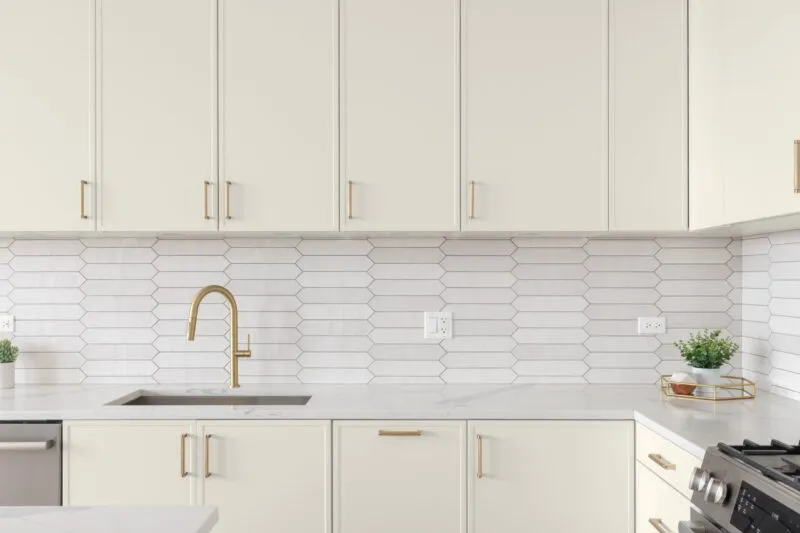
Kitchen cabinets
Painted cabinets are an easy way to refresh a kitchen and give it a custom look. Whites, neutrals, and deep earthy tones feel elevated when paired with the right hardware and wall color. Choose a cabinet color that reflects your home’s style, and use durable paint that holds up to daily use.
Room Paint Colors Quick Tips

FAQs
SHOP NOWHow do I choose paint colors that work with my lighting?
Test paint samples on more than one wall and check them in the morning, afternoon, and evening. Natural and artificial light both affect how a color reads in a room, so evaluating samples at different times of day helps you avoid surprises.
What are the best paint colors for small rooms?
Lighter shades and soft neutrals can make a room look larger and more open. Adding subtle contrast, such as a slightly deeper shade on one accent wall, creates depth without closing in the space.
What paint finish is best for each room?
Eggshell works well in many living areas because it offers a clean look with some durability. Kitchens and bathrooms often need a more wipeable finish for easier cleanup. High-traffic areas, like entryways and hallways, benefit from a tougher finish that can handle frequent cleaning.
Can I use the same color in multiple rooms?
Yes. Repeating a color throughout your home can create a more harmonious, connected feel, especially in open-concept layouts. Using a consistent undertone across different shades also helps spaces flow naturally from one to the next.
How can I create a cohesive whole-home look with room design colors?
Start with one core neutral as your foundation, then add two or three supporting shades that share the same undertone. This approach keeps your home feeling intentional and pulled together without every room looking identical.
What makes cabinet paint different from wall paint?
Cabinets require a tougher finish because they’re frequently touched, opened, and cleaned. Proper surface preparation and a durable, purpose-formulated product are key to a long-lasting result.
How do I match wall paint to existing furniture and flooring?
Identify the undertone of your largest fixed surfaces first, such as wood flooring or tile. Once you know whether those surfaces lean warm or cool, you can select wall colors that complement rather than clash with what’s already in the room.